
Our Services
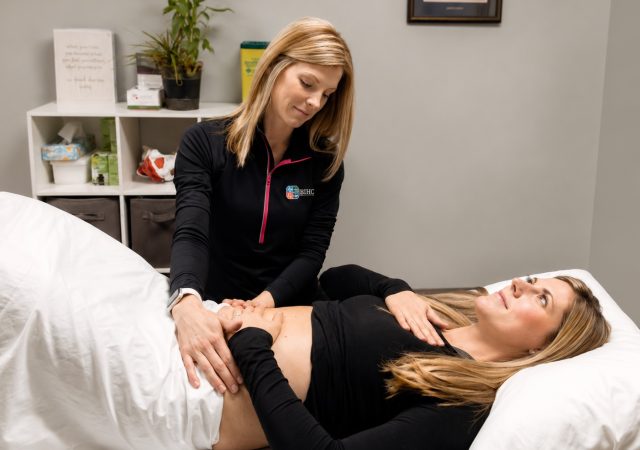
Helping You Recover, Rebuild, and Return to the Activities You Love
The postpartum period is a time of tremendous physical, emotional, and lifestyle adjustment. While caring for a newborn often becomes the primary focus, many women experience symptoms that affect their comfort, confidence, and ability to return to the activities they enjoy.
Whether you delivered vaginally or by Caesarean section, pregnancy places significant demands on the pelvic floor, abdominal wall, and musculoskeletal system. Postpartum physiotherapy can help support recovery, improve function, and address symptoms that may arise following childbirth.
At Belleville Integrative Health Centre, we provide specialized postpartum and pelvic health physiotherapy to help women recover safely and confidently after birth.
We proudly serve women throughout Belleville, Quinte West, Prince Edward County, Napanee, Tweed, Madoc, Bancroft, Stirling-Rawdon, Deseronto, and surrounding communities.
Many women are told that symptoms such as bladder leakage, abdominal weakness, pelvic heaviness, or pain are simply part of motherhood. While these symptoms are common, they should not be accepted as normal.
Postpartum physiotherapy can help:
Whether you are six weeks postpartum or several years after childbirth, treatment can still be beneficial.
Urinary Incontinence
Many women experience bladder leakage following pregnancy and childbirth.
Symptoms may occur:
Pelvic floor physiotherapy can help improve bladder control and restore confidence.
Urinary Urgency and Frequency
Some women experience:
Treatment focuses on bladder retraining, pelvic floor rehabilitation, and education.
Pelvic Organ Prolapse
Pregnancy and childbirth can affect pelvic floor support.
Symptoms may include:
Pelvic health physiotherapy can help reduce symptoms and improve support strategies.
Pelvic Pain
Some women experience pain following childbirth related to:
Treatment focuses on addressing contributing factors and restoring comfort and function.
Pain with Intercourse
Pain during intimacy following childbirth is common but should not be considered normal.
Contributing factors may include:
A comprehensive assessment can help identify and address underlying factors.
Diastasis Recti Rehabilitation
Diastasis recti refers to a separation of the abdominal muscles that commonly develops during pregnancy.
While some separation is normal, many women continue to experience:
C-Section Rehabilitation
Many women are surprised to learn that recovery following a Caesarean birth often benefits from physiotherapy.
Although a C-section avoids a vaginal delivery, pregnancy itself still places significant demands on the pelvic floor and abdominal wall.
Women who deliver by Caesarean section may experience:
Scar Management
As healing progresses, scar tissue can sometimes contribute to:
Physiotherapy can help improve scar mobility and tissue flexibility while supporting comfort and function.
Core Rehabilitation Following C-Section
The abdominal wall undergoes significant changes during both pregnancy and surgery.
Rehabilitation focuses on:
The goal is to help restore confidence and function while reducing compensation patterns.
Returning to Exercise After Birth
One of the most common questions new mothers ask is:
“When can I safely return to exercise?”
The answer depends on:
Postpartum physiotherapy helps ensure your body is prepared for the demands of exercise and reduces the risk of worsening symptoms.
Return to Running Assessments
Running places significant demands on the pelvic floor, core, and musculoskeletal system.
A return-to-running assessment may evaluate:
This helps identify areas that may benefit from rehabilitation before returning to higher-impact activity.
Your assessment begins with a detailed discussion of:
Following the assessment, a personalized treatment plan will be developed based on your goals.
When should I see a physiotherapist after giving birth?
Many women benefit from an assessment beginning around six weeks postpartum.
However, it is never too late to seek treatment. We regularly help women months and even years after childbirth.
Do I need pelvic floor physiotherapy if I had a C-section?
Yes.
Pregnancy places significant demands on the pelvic floor regardless of delivery method. Women who deliver by Caesarean section may still experience pelvic floor dysfunction, abdominal weakness, bladder concerns, and core impairments.
Can physiotherapy help with diastasis recti?
Yes.
Physiotherapy can help improve abdominal function, strength, pressure management, and overall core performance.
Can I bring my baby to appointments?
Absolutely.
We understand childcare can be challenging during the postpartum period. Babies are welcome to attend appointments with their caregivers.
Recovery after childbirth looks different for every woman.
Whether your goal is lifting your baby comfortably, returning to the gym, running your first race postpartum, or simply feeling stronger and more confident in your body, we are here to help.
At Belleville Integrative Health Centre, we are committed to helping women recover, rebuild, and thrive after childbirth.
Book your postpartum physiotherapy assessment today and take the next step toward a stronger, healthier recovery.